
Fermented Vegetables at Home: Easy 3% Salt Method
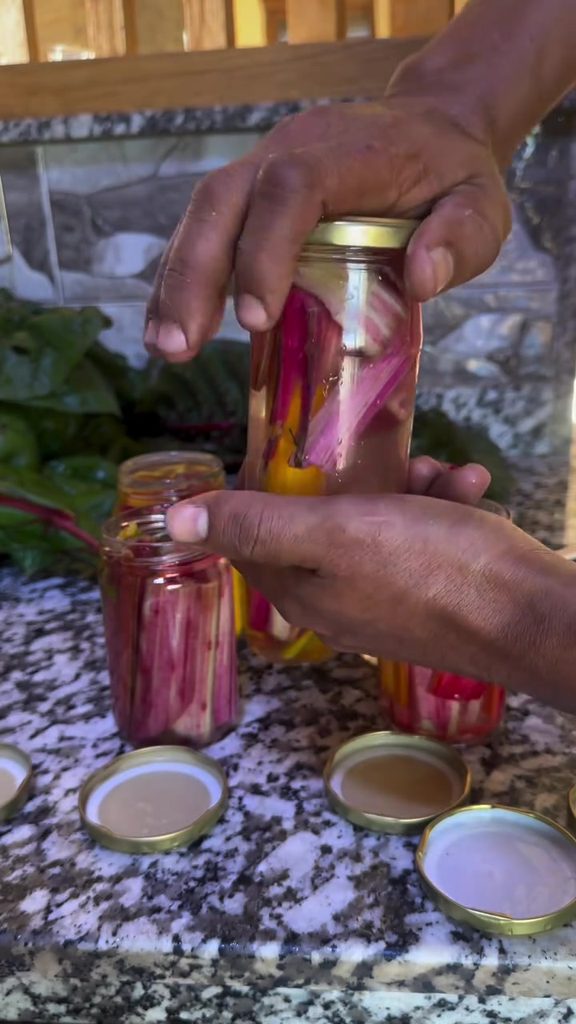
A jar of bright, jewel-colored fermented vegetables looks like something you’d only find in a specialty shop. In reality, you can make it at home with vegetables, salt, water, and a clean glass jar. The rest is patience.
This recipe is inspired by a method shared by [Creator name] ([link to his profile]). We’ve written it out step by step, with a few food safety notes, so you can follow along in your own kitchen.
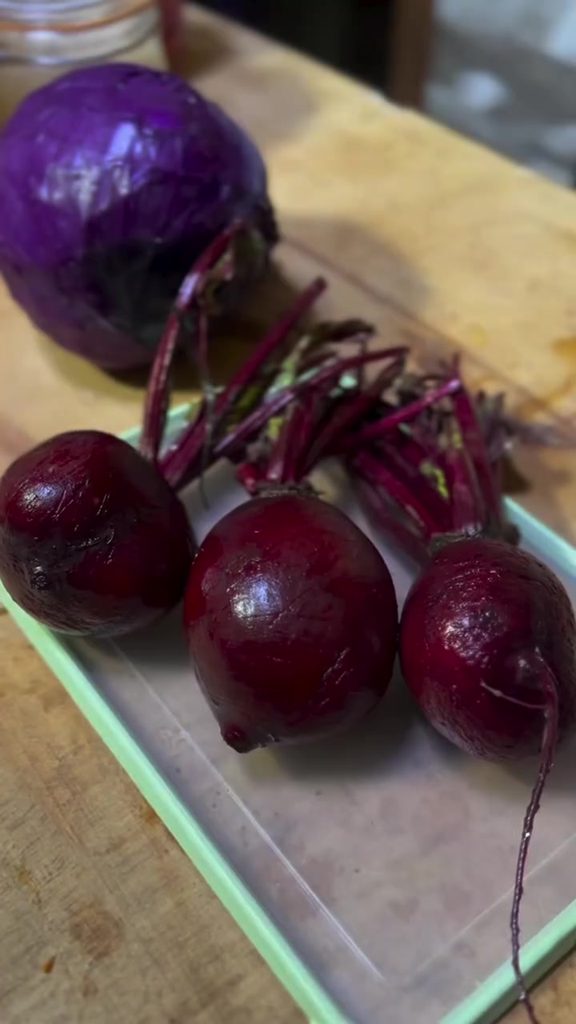
What You’ll Need
- About 1 kg of vegetables, thinly shredded or sliced. This recipe uses red cabbage, beetroot, carrots, and colorful chard stems.
- 30 g of natural salt (3% of the vegetable weight). Use coarse sea salt without iodine.
- Chlorine-free water, only if you need extra brine. Boil it, or leave it in an open bottle for 24 hours.
- Glass jars that can handle boiling water.
- A kitchen scale.
How to Make Fermented Vegetables
- Sterilize the jars. Place the jars in boiling water for a few minutes, then let them cool slightly. Wash your hands and work surfaces too.
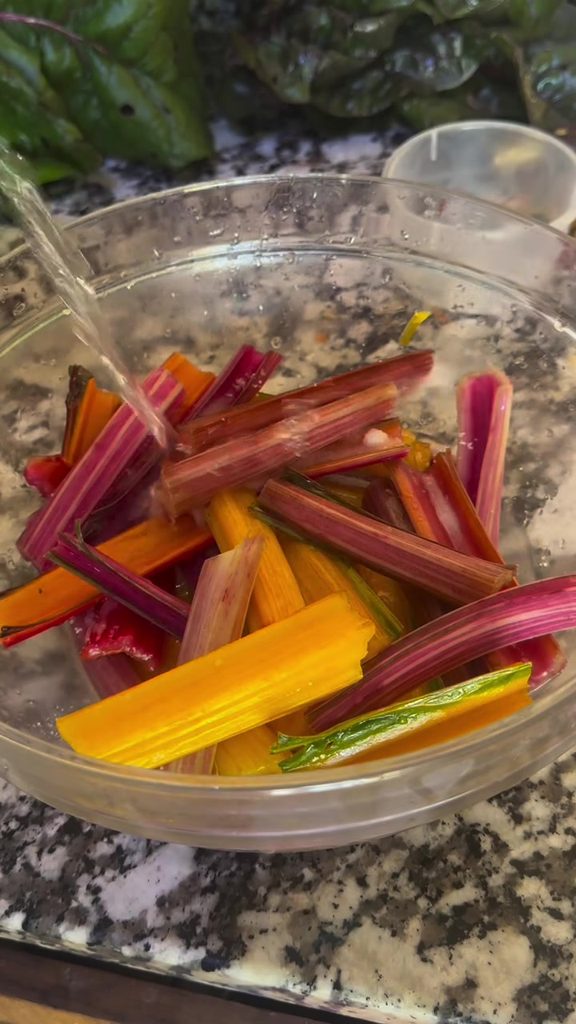
- Prepare the vegetables. Wash them well, then shred or slice them thinly. Thin pieces ferment more evenly.
- Weigh and salt. Weigh your vegetables and add 30 g of salt for every kilo.
- Knead. Wearing clean gloves or washed hands, squeeze and massage the vegetables for several minutes until they release plenty of liquid. This liquid becomes your brine.
- Pack the jars. Press the vegetables down firmly so they sit under the liquid. If there isn’t enough brine to cover them, dissolve 1½ tablespoons of salt in 1 quart (about 1 liter) of chlorine-free water and top up.
- Keep everything submerged. Leave a little space at the top of the jar and make sure no vegetables poke above the liquid.
- Close loosely. Fermentation creates gas, so use a loose lid or an airlock lid instead of closing the jar tightly.
- Wait. Keep the jars at room temperature, away from direct sunlight, for about 3 weeks. Cooler rooms take longer.
- Refrigerate. When the flavor is pleasantly tangy, move the jar to the fridge.
The Best Temperature
Aim for a room temperature of roughly 20–22°C (68–72°F). If it’s much warmer, the vegetables can spoil or turn too sour. If it’s much cooler, fermentation slows down and can take weeks longer.
How to Tell It’s Working
- Small bubbles rise in the brine.
- The brine slowly turns cloudy.
- The smell becomes pleasantly sour.
- The taste goes from just salty to tangy.
When to Throw It Out
Fermented foods are safe when made correctly, but don’t take chances:
- Fuzzy mold of any color on the surface
- A slimy texture
- A rotten or “off” smell
When in doubt, throw it out.
Tips for Better Results
- Always weigh the salt. A spoon isn’t accurate enough.
- Use fresh, firm vegetables. Soft or spoiled ones won’t ferment well.
- Don’t use iodized salt, which can interfere with fermentation.
- Keep a small weight (like a clean glass or a ziplock bag of brine) on top to hold vegetables down.
- Label the jar with the start date.
Frequently Asked Questions
Why 3% salt?
For finely shredded vegetables, 3% salt by weight is a commonly recommended level. It supports the good bacteria while limiting unwanted growth.
Can I use other vegetables?
Yes. Shredded or thinly sliced cabbage, carrots, radishes, and beets all work well with this method. Large whole pieces need a stronger brine and a different method.
Why must the vegetables stay under the liquid?
Vegetables exposed to air are much more likely to grow mold.
How long do fermented vegetables last?
Once refrigerated, they usually keep for several weeks to a few months. Check them regularly and discard anything that looks, smells, or feels wrong.
Is this safe for everyone?
Fermented foods aren’t right for everybody. If you have a digestive condition, are pregnant, or have any health concern, ask your doctor before adding them to your diet.
This article is for general information and is not medical advice.